
Introducción
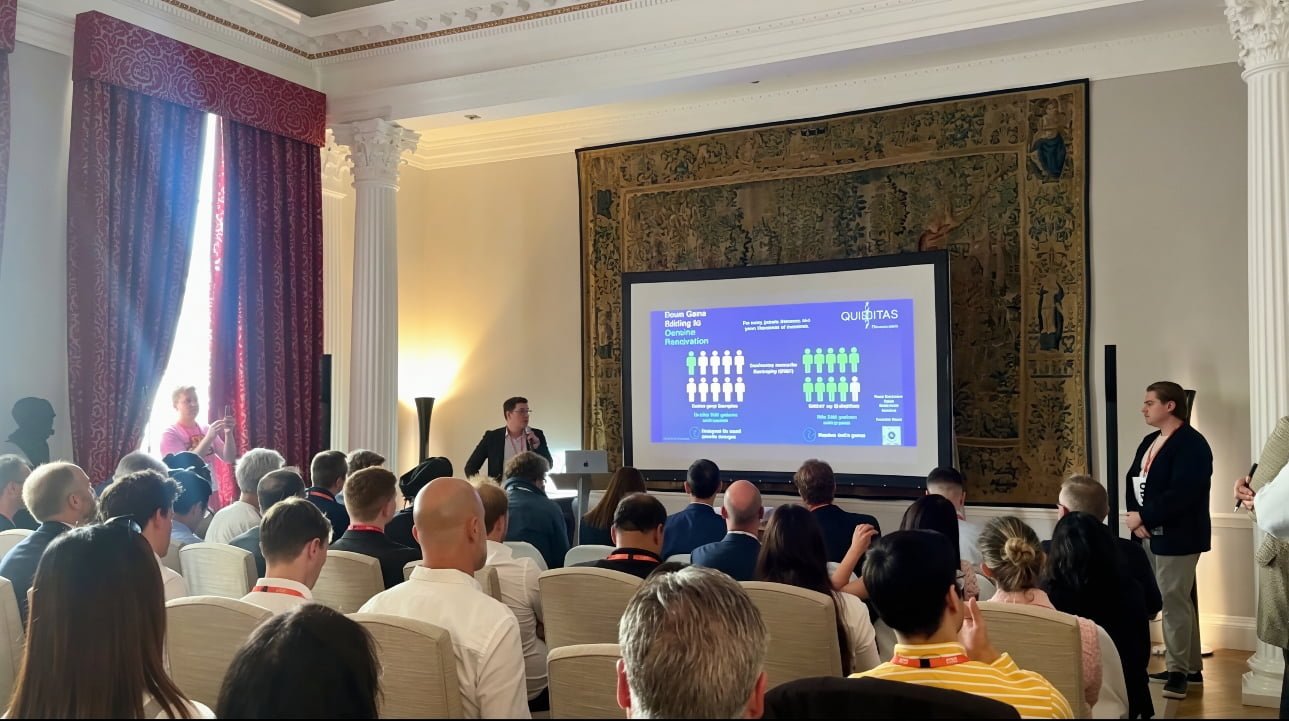
Healthcare investors ask difficult questions to assess risk and potential returns. On 6 October 2026, Dr Maria Zalazar, Founder and CEO of MZ Medical, attended the UK–Belgium pitch event at the Belgian Ambassador’s Residence in London. In this article, we share the most common questions investors asked healthcare founders working in genome editing, neonatal care, rehabilitation, skin health, healthcare AI, mental health, dental robotics and emergency care.
How much could a hospital save by using your platform?
Health economics: hospital costs and savings
During one compelling pitch, a founder answered this question with a simple comparison. He said that one case of the condition going unrecognised or untreated could lead to costs of more than £10,000. He then argued that identifying and supporting just one patient earlier could avoid enough costs to cover the hospital’s annual fee for his platform.
To prepare your own answer, use NICE’s Evidence Standards Framework for Digital Health Technologies as a guide. Compare what care costs now with what it would cost using your platform, including the platform fee. Use figures from the country and hospitals where you plan to sell, and explain which savings you can already support with evidence.
NICE offers the framework; your own evidence and local costs must support your answer.
Could earlier care cover the platform fee?
| Patients supported earlier | Potential cost avoided | Assumed annual fee |
|---|---|---|
| 1 | £10,000 | £10,000 |
Result: One earlier intervention could cover the annual fee.
Hypothetical figures. Actual savings and implementation costs must be verified.
What makes your product different, and what stops others from copying it?
Healthcare investor test: can you stay ahead?
The founder acknowledged that competitors could copy the technology. His advantage, he argued, lay in moving quickly, having the right expertise available, whether within the team or through external specialists, and supporting women after discharge, when existing care can leave a gap.
These strengths could help the company adapt and keep improving, although he did not identify anything that would prevent a competitor from building a similar product.
The investor was asking two questions: why would a customer choose your product, and what could a competitor copy?
NYU’s Leslie Entrepreneurial Institute offers a useful way to prepare your answer:
- Compare your product with the alternatives customers use today.
- Show, with evidence, the benefit customers value most.
- Explain what a competitor would find harder to reproduce, such as expertise, partnerships or integration into care.
- Claim only advantages you have today; distinguish them from those you still plan to build.
Why choose you?
Show the benefit customers value.
What proves it?
Show evidence that supports your claim.
What is harder to copy?
Name the advantage you already have.
Who are the founders, and what experience does your team bring?
Founder and team expertise
The people leading a company can matter more to investors than its product or technology.
In a survey of 885 venture capitalists published in the Journal of Financial Economics, respondents rated the management team as somewhat more important when deciding which companies to fund.
At the event, the founder of a medical device company described more than 20 years’ experience in pharmaceuticals. Her two co-founders brought complementary expertise in research, rehabilitation, medical devices and commercial development.
The question is about more than the founder’s CV. Investors want to see whether the people leading the company, together, have the skills to develop the product and bring it to market.

How much have you raised, who invested, and on what terms?
Previous funding and investment terms
This question came up several times during the pitches. Investors want to know who has already put money into your company, what they received in return, and how earlier agreements could affect a new investment.
If you have not raised funding before, say so. If you have, be ready to explain three things:
1. How much? The total amount raised so far.
2. From whom? The people or organisations that invested.
3. On what terms? What they received, or may receive, such as shares or the right to acquire shares later.
The UK Government’s Data Room Essentials checklist recommends having previous funding agreements and an up-to-date cap table—a record of who owns what—ready for investors to check.
| The question | Your answer |
|---|---|
| How much? | The total amount raised so far. |
| From whom? | The people or organisations that invested. |
| On what terms? | What they received, or may receive, such as shares or the right to acquire shares later. |
The UK Government’s Data Room Essentials checklist recommends having previous funding agreements and an up-to-date cap table—a record of who owns what—ready for investors to check.
What is the biggest risk with your technology?
Healthcare investor due diligence: technical risk
One of the hardest questions of the evening was put to a founder developing a genome-editing technology: what was its biggest risk?
For a proposed treatment using that technology, one possible risk is delivery. Can it reach the intended cells, edit enough of them to have an effect and avoid unintended changes elsewhere? The FDA’s guidance on human genome-editing therapies addresses these questions. The answer requires evidence for the specific treatment being developed.
For more on how AI is changing drug discovery and biotech investment, read here
How healthcare investors assess risk: Due diligence
Healthcare investors actively look for risks in new treatments. They may seek an independent assessment to understand whether the evidence supports the next stage of development.
In one case, an investor approached MZ Medical about due diligence for an investigational product intended for use after breast surgery. The key question was whether findings in mice could support testing in a suitable larger animal model and, eventually, research in people.
The proposed assessment brought together two scientists with relevant preclinical and clinical expertise, a breast oncology surgeon, and a specialist in the product’s regulatory pathway. The scope included the available evidence, translational risks, the proposed animal studies and the gaps that would need to be addressed.
That is why founders should examine their own evidence and risks before an investor begins due diligence.
Conclusión
A strong technology may open a pitch, but founders must be ready to explain the company behind it. The questions we heard covered hospital savings, competitive advantage, the team, previous funding and technical risk. Each asked for a clear answer supported by evidence.
Founders should also prepare for questions about their business plan, how the company makes money, competitor pricing and the regulatory pathway, including the implications of AI where relevant. You do not need to pretend every risk has been solved. You need to know which questions matter, what you can demonstrate today and what you must prove next.
About the author

Dr Maria Zalazar is the Founder and CEO of MZ Medical, an international women’s health advisory company developing its own innovative projects. She has nearly 20 years of experience in women’s health and genetics, with an international career spanning Argentina, Spain and the UK.
Will investors ask who is on my founding team?
Yes. Be ready to explain each founder’s role, relevant experience and any expertise the team still needs
Will investors ask about my competitors?
Yes. Show what customers use today, why they might choose your product and what makes that advantage difficult to copy.
Will investors ask how my company makes money?
Yes. Explain who pays, what they pay for and how you expect to earn revenue
Will investors ask about previous funding?
Yes. Know how much you have raised, who invested and what they received in return.
Will investors ask how I will use new funding?
Yes. Connect the amount you seek to specific work and the results it should deliver.
Will investors ask whether my technology works?
Yes. Show what has been tested, what the results demonstrate and what remains unproven
Will investors ask about regulatory requirements?
They may. Explain the product’s intended purpose, your proposed regulatory route and what still needs to be confirmed.
Will investors ask whether an AI health app gives reliable guidance?
They may. Be ready to explain which evidence it uses, who reviews its health content and where the AI’s limits are.
Referencia
Industry Insights
Women’s Resources & Services