
Thyroid dysfunction and perimenopause — how to tell the difference
November 14, 2025 2025-12-08 20:15Thyroid dysfunction and perimenopause — how to tell the difference
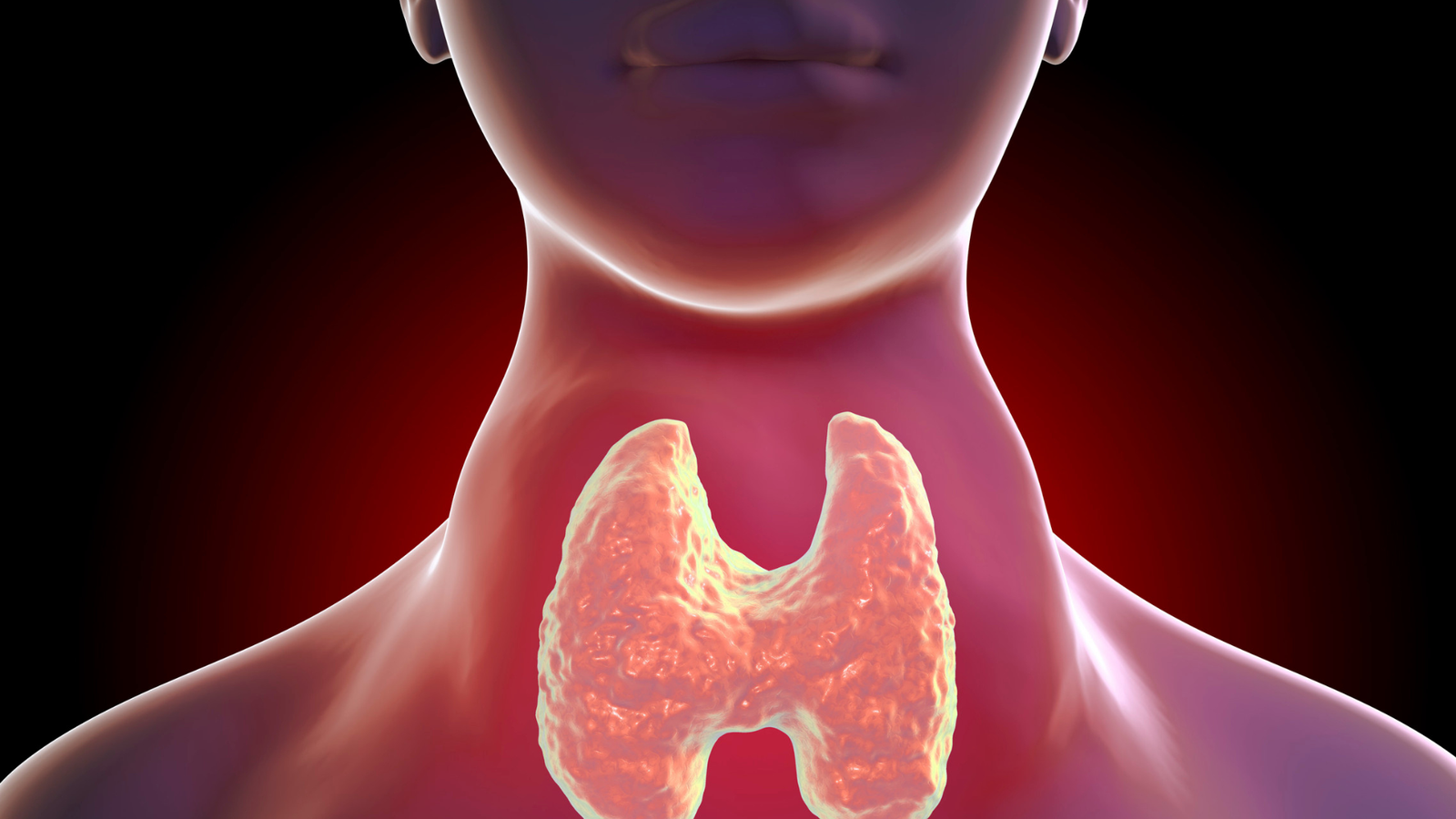
Thyroid dysfunction vs perimenopause symptoms
Introduction
Thyroid dysfunction in midlife is common in women and is often mistaken for the symptoms of perimenopause. Both conditions may present with fatigue, low mood, weight gain, anxiety, sleep disturbance, dry skin, hair changes, palpitations and menstrual irregularities — making it difficult to understand what is truly happening in the body. Because thyroid hormones and ovarian hormones interact closely, any imbalance in one system can amplify symptoms in the other. Recognising the overlap between thyroid dysfunction — particularly hypothyroidism — and perimenopause is essential to avoid misdiagnosis, unnecessary worry, and delayed treatment
What this article covers
describe the link between thyroid hormones and oestrogen
reveal a hidden connection between midlife diet habits and thyroid performance
review the most common thyroid disorders during midlife
summarise the symptoms that overlap with perimenopause
conclude with the key takeaways for women in their 40s and 50s
.
How thyroid hormones interact with oestrogen
Thyroid and ovarian hormones are produced by different glands, yet both act throughout the body, influencing energy, metabolism, mood, cognition, menstrual cycles, and multiple other systems. When either hormone becomes too low or too high, symptoms appear —and many of them look almost identical because both hormone systems act on the same tissues throughout the body.
In the short term, an imbalance in either system can cause symptoms such as fatigue, weight changes, low mood, anxiety, temperature sensitivity, and menstrual irregularities.
In the long term, untreated thyroid dysfunction and untreated ovarian hormone deficiency (as in perimenopause and postmenopause) both increase the risk of cardiovascular disease, metabolic decline, and bone loss, including osteoporosis
The two systems also influence each other. For example:
thyroid disorders can disrupt ovulation and alter menstrual cycles
pregnancy, oral contraceptives, and oral HRT increase thyroid-binding proteins, which can temporarily affect thyroid test results
This overlap explains why many women are unsure whether their symptoms come from thyroid dysfunction, perimenopause — or both. Understanding how both systems interact is essential for an accurate diagnosis and the right treatment
A hidden link: how diet affects thyroid function
During perimenopause, many women reduce salt to ease bloating or water retention (an early response to natural progesterone), while in postmenopause they often cut salt due to concerns about blood pressure. Others switch to “natural” salts believing they are healthier. These changes unintentionally remove one of the main dietary sources of iodine.
Many governments add iodine to table salt to prevent thyroid disorders — particularly subclinical and clinical hypothyroidism. This public-health measure exists because iodine deficiency remains common worldwide, especially in regions where iodised salt is not mandatory (including the UK and much of Europe). Sea salt, Himalayan salt, and gourmet salts usually contain little or no iodine.
Low iodine intake can lead to low thyroid hormone production — worsening fatigue, dry skin, hair changes, temperature sensitivity, weight gain, and brain fog — symptoms that can intensify existing perimenopausal symptoms.
Further reading: WHO 2024 report on iodine deficiency and dietary changes in Europe
Symptoms that overlap in thyroid dysfunction and perimenopause
Both perimenopause and thyroid dysfunction can produce very similar symptoms. This overlap explains why thyroid dysfunction in midlife is often missed without appropriate testing. Symptoms that may occur in both conditions include:
• menstrual irregularities
• fatigue
• low mood or depressive symptoms
• anxiety
• weight gain
• forgetfulness
• temperature intolerance (heat or cold sensitivity)
• palpitations
• sleep disturbance
.
Common thyroid disorders in midlife
Many of the symptoms that appear around menopause can also occur in thyroid dysfunction, and both conditions may coexist. Research shows that subclinical hypothyroidism and clinical hypothyroidism increase between the ages of 40 and 70, while the frequency of hyperthyroidism remains stable.
Subclinical hypothyroidism in perimenopause
Defined as raised TSH with normal T3 and T4. Symptoms may be subtle or absent, yet the condition can have a multiorgan impact and may progress to clinical hypothyroidism.
Clinical hypothyroidism in midlife
Symptoms are often nonspecific and can develop slowly, overlapping with typical peri-and postmenopausal changes. Common symptoms include:
• irregular periods or loss of sexual drive
• depression, anxiety or poor concentration
• constipation and slow digestion
• dry or scaly skin, brittle hair or hair loss
• brittle nails
• cold intolerance
• low energy and drowsiness
• muscle cramps and pain
• joint pain
• water retention (puffy eyes, swollen hands, legs or ankles)
• tinnitus, dizziness or impaired hearing
• Weight gain — also from low estrogen
Hyperthyroidism symptoms in midlife
Less common but easily mistaken for peri- and postmenopausal changes.Signs may include insomnia, nervousness, palpitations, excessive sweating, heat intolerance and tachycardia.
Conclusion
Thyroid dysfunction and perimenopause often overlap, creating symptoms that feel identical. This is why the first and most important step is a proper medical assessment, where your symptoms, menstrual pattern, lifestyle, family history and risk factors are evaluated together — not a test in isolation.
Blood tests may help confirm thyroid dysfunction, but they cannot diagnose perimenopause, and normal thyroid results do not rule out hormonal imbalance. What matters is clinical context, not just numbers.
Understanding that both systems influence each other — and that factors such as stress, sleep, diet, iodine intake, and fluctuating ovarian hormones impact thyroid regulation — helps women avoid confusion, unnecessary worry, and delayed treatment.
For women in their 40s and 50s, recognising this overlap is empowering: with the right guidance, both thyroid health and the menopause transition can be managed safely, effectively, and with clarity.
How do thyroid symptoms differ from perimenopause
Thyroid dysfunction often causes fatigue, weight changes, hair or skin changes, and mood symptoms — which can look identical to perimenopause. The difference is that thyroid symptoms come from hormone dysregulation in the thyroid gland and can be confirmed through blood tests (TSH, T4, T3, antibodies), while perimenopause comes from fluctuating ovarian hormones. A medical assessment helps separate both conditions and identify when they overlap
Can perimenopause affect thyroid function?
Yes. Oestrogen influences thyroid hormone sensitivity and the proteins that transport thyroid hormones in the blood. During perimenopause, fluctuating oestrogen may temporarily change thyroid test results or intensify symptoms. Low iodine intake, stress and poor sleep can also influence thyroid hormones in midlife.
Why do thyroid and perimenopause symptoms overlap?
Both systems regulate energy, metabolism, mood, sleep and menstrual cycles. When one system is disrupted, the other may compensate or amplify symptoms — creating similar signs such as fatigue, irregular cycles, temperature sensitivity, anxiety, hair changes or weight gain. This overlap is why thyroid issues are sometimes missed in midlife
When should a woman test her thyroid?
If symptoms are persistent or strong — such as extreme fatigue, hair loss, constipation, weight gain with no lifestyle changes, intense cold sensitivity, or irregular periods that are not explained by perimenopause — a thyroid test can help. First-line testing includes TSH, Total/Free T4 and sometimes T3, depending on symptoms. Testing is especially important if there is family history or autoimmune disease
If you would like personalised medical guidance or wish to review your symptoms in depth, you can book an online consultation with Dr. María Zalazar
.

Dr María Zalazar
Founder & Medical Director, MZ Medical