
What are the most common causes of pelvic pain?
February 22, 2026 2026-03-10 10:53What are the most common causes of pelvic pain?
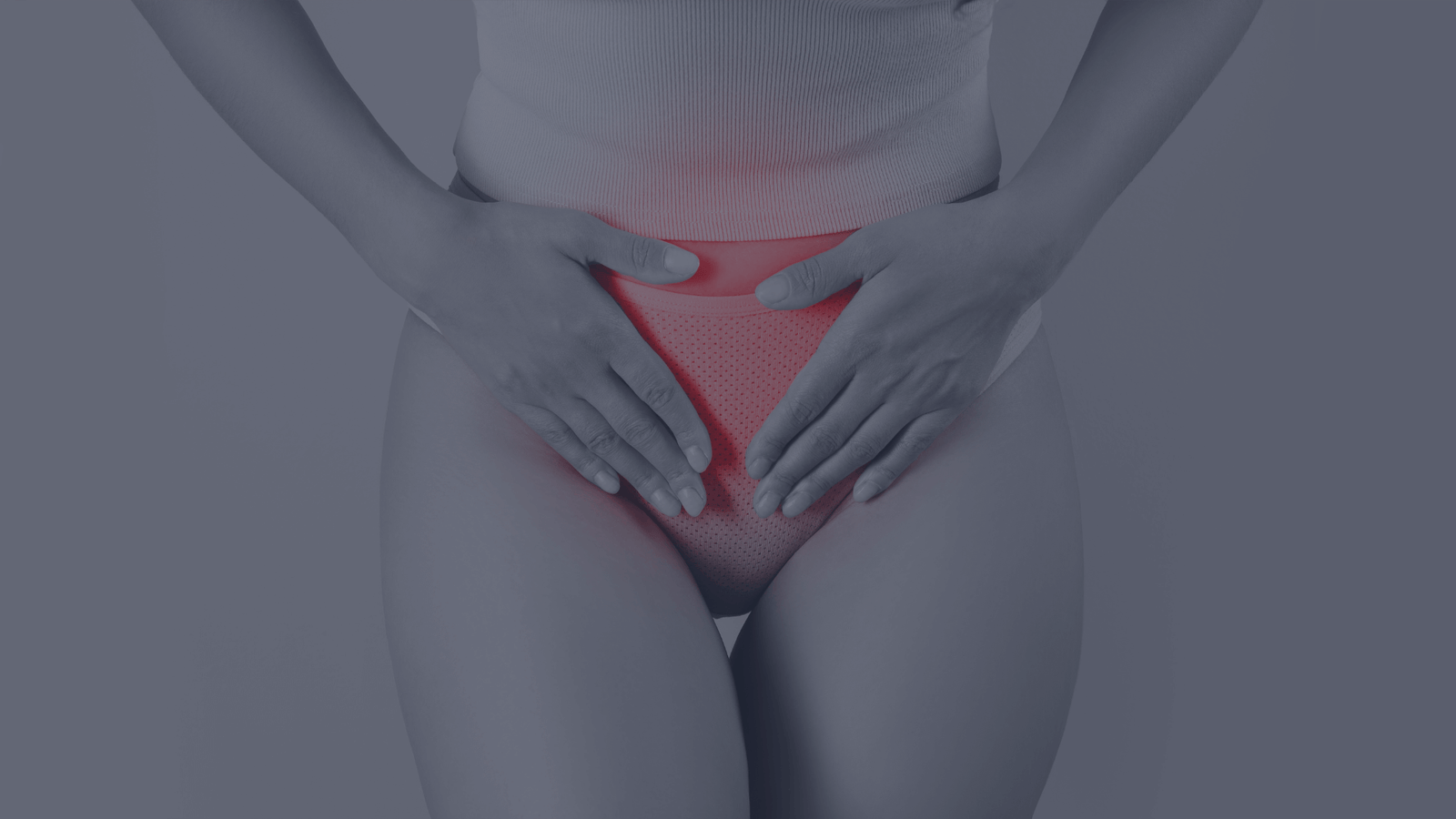
Introduction
Pelvic pain is not normal, even if it has been present for years or occurs during menstrual periods.
For many women, it starts in adolescence, is often considered “normal” during the childbearing years, and can persist into perimenopause and post-menopause.
Pain does not automatically disappear with age, or menopause. Persistent pelvic discomfort always deserves proper medical evaluation.
Knowing the most common causes of lower abdominal pain can help you recognise when something is not normal and seek the right medical care.
What is Chronic Pelvic Pain?
Definition
Chronic pelvic pain is pain in the lower abdomen or pelvis that lasts more than three to six months. It may be constant or intermittent, can be related to menstrual periods or occur at other times, and often interferes with daily life, work, sleep, or sexual activity.
Which Conditions Can Affect Women at Different Life Stages
| Condition | Reproductive Years | Perimenopause | Post-menopause |
|---|---|---|---|
| Endometriosis | ✔ Common | ✔ Can persist / flare | ✔ Possible, (with HRT) |
| Adenomyosis | ✔ Common | ✔ Can persist | Rare |
| Fibroids (Myomas) | ✔ Common | ✔ Common | ✔ Possible, (with HRT) |
| Primary Dysmenorrhea | ✔ Common | ✔ Less common | ✖ Uncommon |
| Bladder Pain Syndrome | ✔ Common | ✔ Common | ✔ Common |
| IBS | ✔ Common | ✔ Common | ✔ Common |
| Pelvic Floor / Nerve Pain | ✔ Common | ✔ Common | ✔ Common |
Gynaecological Causes of Pelvic Pain
Endometriosis
Endometriosis occurs when tissue similar to the lining of the uterus grows outside the uterus, causing inflammation, scarring, and pain.
Common symptoms
- Painful periods (dysmenorrhoea)
- Bowel pain (painful bowel movements, especially during periods)
- Bladder pain (pain or urgency when passing urine)
- Lower back or leg pain (sometimes described as sciatica)
Adenomyosis
Adenomyosis occurs when tissue similar to the lining of the uterus grows into the muscle wall of the uterus, causing inflammation and pain.
Typical symptoms:
- Heavy menstrual bleeding
- Severe menstrual cramps
- Pelvic pressure or heaviness, sometimes felt throughout the month
Fibroids (Leiomyomas)
Fibroids are common benign growths of the uterus.
They may cause:
- Heavy menstrual bleeding
- Pelvic pressure or fullness
- Pain with intercourse
- Pelvic or lower back pain
Bleeding between periods
Heavier, unpredictable bleeding in perimenopause
Fibroids may cause bleeding in postmenopause, especially with hormone therapy
Primary Dysmenorrhoea - Pelvic Pain During Menstrual Periods
Primary dysmenorrhoea refers to painful menstrual periods without an underlying pelvic disease.
Typical symptoms:
- Cramping lower abdominal or pain during periods
- May be associated with nausea, fatigue, or headache
Urological and Gastrointestinal Causes of Pelvic Pain
Bladder Pain Syndrome (Interstitial Cystitis)
Recognised chronic pelvic pain condition, more common in women than men, often coexists with IBS and endometriosis, peak diagnosis: 30–60 years.
Core symptoms:
- Pain or pressure in the pelvic area.
- Urinary urgency or frequency
- Burning or discomfort without infection
Irritable Bowel Syndrome (IBS)
Very common in women and frequently associated with pain.
Typical symptoms:
- Bloating
- Abdominal cramps
- Pain related to bowel movements
- Diarrhoea and/or constipation
IBS symptoms can overlap with conditions such as endometriosis, which is why proper assessment is important.
Musculoskeletal and Nerve-related Causes of Pelvic Pain
Pelvic Floor Dysfunction
Tight or overactive pelvic floor muscles can cause:
- Pain with intercourse
- Urinary or bowel symptoms
Nerve-Related Pain
Irritation or compression of pelvic nerves can cause:
- Deep burning pain
- Sharp or shooting pain
- Lower back or leg pain (sometimes described as sciatica)
When to Seek Medical Help
Seek evaluation if you:
- Need regular painkillers
- Have pain affecting daily life
- Have bowel or bladder symptoms
- Have pain after menopause
Take-Away
Chronic pain is common, but never normal.
A proper assessment can identify the cause and guide effective treatment.
Understand your symptoms and next steps

Is pain in the lower abdomen normal during periods?
Mild discomfort can happen, but persistent pain that affects your daily life, or makes you rely on painkillers, heat pads, or skipping activities, is not normal.
Can lower abdomen pain persist after menopause?
Yes. Pelvic in the lower abdomen can persist after menopause. Any new or persistent pelvic pain after menopause should be assessed — especially if you are using hormone therapy.
Who should assess pelvic discomfort?
You may need a gynaecologist, and sometimes a multidisciplinary approach (pelvic physiotherapy, gastroenterology, or urology). If symptoms persist, keep seeking answers.