
HPV, Menopause and Prevention: Does the HPV Vaccine Still Matter After 40?
December 12, 2025 2026-02-24 18:54HPV, Menopause and Prevention: Does the HPV Vaccine Still Matter After 40?
Introduction
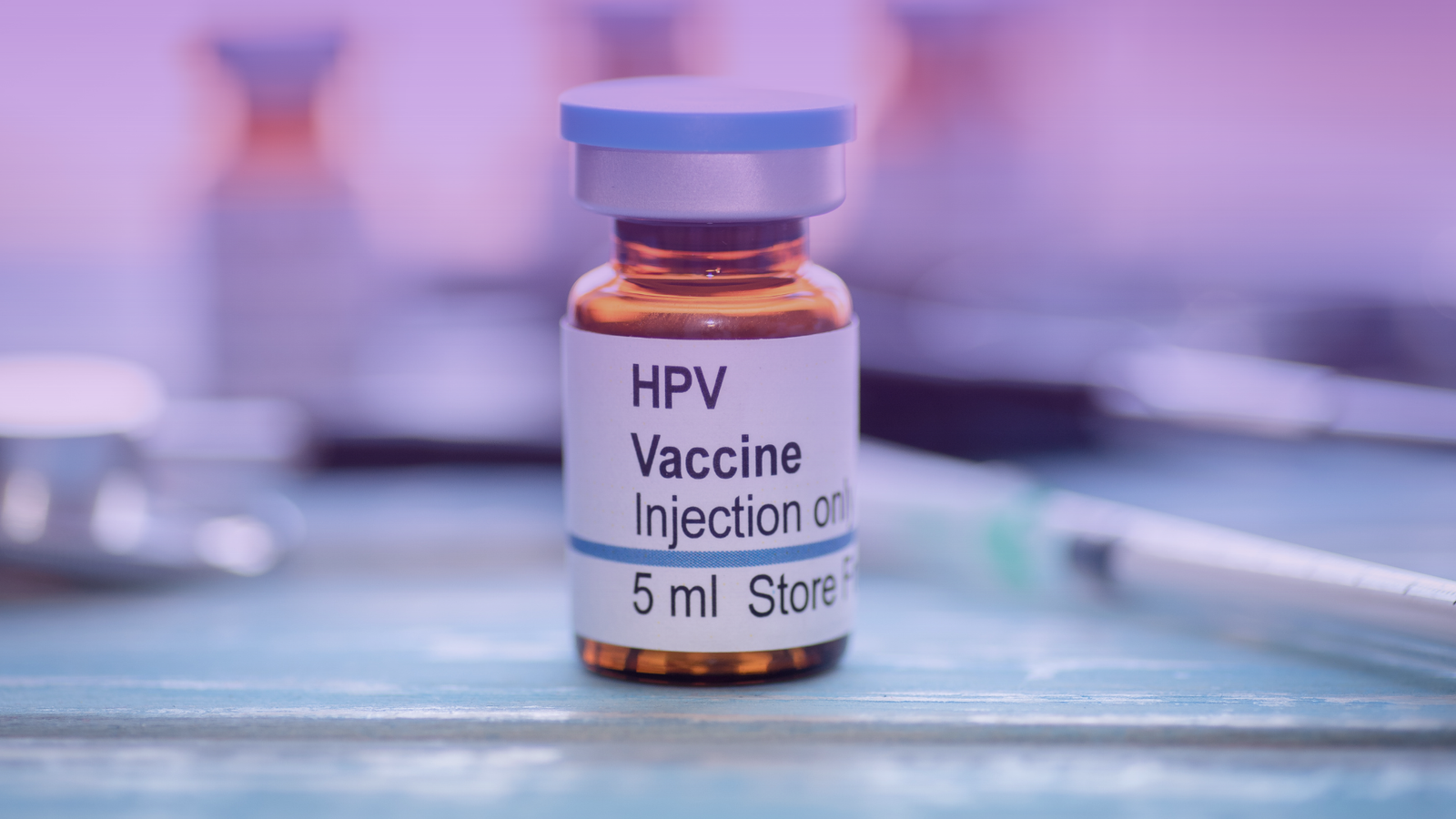
The HPV vaccine after 40 is a little-known option, although it may be beneficial for some women.
Human papillomavirus (HPV) is one of the most common viral infections worldwide and a key factor in the development of cervical and other anogenital cancers.
Although HPV is usually associated with younger women, increasing evidence shows that menopause involves specific biological changes that can influence the persistence of the HPV virus, the accuracy of cervical screening tests, and long-term gynaecological risk
Guide Overview
In this guide, you will learn:
- How menopause-related hormonal changes affect HPV behaviour
- Why vaginal microbiota and local immunity matter after menopause
- Whether HPV vaccination is still useful later in life
- What women — and men — can do today to reduce HPV-related risk
PART 1 — HPV and Menopause: What Changes After Oestrogen Decline?
Hormonal changes, immunity, and viral persistence
After menopause, hormonal changes are associated with shifts in the vaginal microbiota (including reduced protective lactobacilli), which may weaken local defences and make HPV persistence more likely in some women.
Importantly, these changes are not inevitable. Supporting vaginal tissue health — for example, by addressing local oestrogen deficiency when appropriate — can help restore epithelial integrity and a more protective vaginal environment. This does not treat HPV itself, but it may support local defence mechanisms and improve the reliability of screening in some women.
PART 2 — Vaginal Microbiota, Pap Smear, And Why Results Can Be Misleading
Menopause-induced vaginal dysbiosis
Menopause is associated with a reduction in protective Lactobacillus species and an increase in microbial diversity — a state known as vaginal dysbiosis. Recent research shows that this altered environment may promote persistent HPV infection and progression to cervical intraepithelial neoplasia (CIN).
Importantly, vaginal atrophy can also affect Pap smear interpretation, sometimes leading to abnormal or inconclusive results that are not caused by HPV itself, but by oestrogen deficiency.
For this reason, vaginal health should not be seen as cosmetic. It plays a role in screening accuracy and overall preventive care after menopause
PART 3 — HPV vaccine after 40: is it still worth it?
Vaccination, prevention, and protection for women and men
The HPV vaccine after 40 can still play a role in prevention, even later in life.
HPV vaccination does not treat existing infection, but it can still offer protection against HPV types a woman has not yet encountered. This remains relevant after 40, particularly in women with new partners, immune changes, or previous HPV-related abnormalities.
Vaccination is not only for women. Many countries now vaccinate boys and girls, as HPV is also linked to throat, anal, and penile cancers in men. Protecting both partners reduces transmission and long-term risk.
If you would like a deeper, structured explanation of how hormones, immunity, screening, and prevention work together after menopause, these topics are explored in detail in my book here
For personalised advice or a second opinion, you can book a private consultation here
Conclusion
After 40, hormonal and vaginal tissue changes can influence how HPV behaves and how screening tests perform. With the right information, prevention strategies, and personalised care, women can continue to protect their health and make confident decisions at every stage of life.

References
So KA, Hur SY, Cho CH, et al. Menopausal status induces vaginal dysbiosis in women with human papillomavirus infection. Scientific Reports. 2024;14:7092.
Galloway DA, et al. Relationship between cigarette smoking and human papillomavirus types 16 and 18. Cancer Epidemiology, Biomarkers & Prevention. 2009;18(12).
Is HPV only a women’s issue?
No. HPV affects both women and men and is linked to several cancers beyond the cervix.
Is the HPV vaccine useful after menopause?
Yes. While it does not treat existing HPV, it can protect against other high-risk strains.
Can menopause affect Pap smear results?
Yes. Vaginal atrophy caused by reduced oestrogen levels can alter Pap smear results without the presence of a true HPV-related lesion. For this reason, in some women, short-term use of vaginal oestradiol before repeating the Pap smear is recommended to improve tissue quality and result reliability.
How can I access the HPV vaccine (Gardasil 9) after 40?
In many countries, Gardasil 9, the HPV vaccine that covers the largest number of HPV types, is not routinely offered through public programmes after 40.
However, it can usually be accessed privately, following a medical assessment.